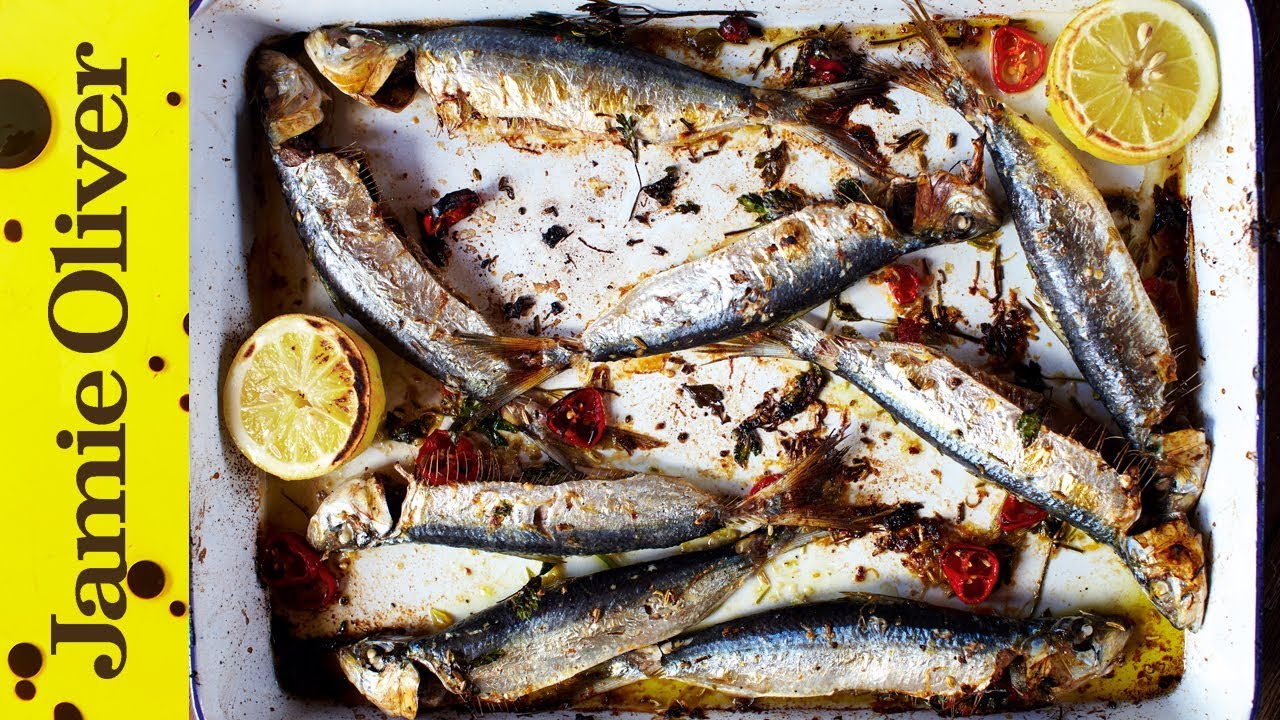
Perfectly Roasted Sardines: Tips for Crispy Skin & Juicy Flesh
For anyone curious about
how to cook sardines, roasting offers a delightful, straightforward path to culinary success. Imagine a weeknight meal where fresh, flavorful sardines emerge from the oven with exquisitely crispy skin, tender, juicy flesh, and an intoxicating aroma of garlic and citrus. This isn't just a fantasy; it's a perfectly achievable reality with the right techniques. Sardines, often overlooked, are a true superfood packed with nutrients and a surprisingly versatile flavor profile. Get ready to transform these small, mighty fish into a memorable dish that will have you coming back for more.
Why Choose Sardines? A Nutritional Powerhouse & Culinary Delight
Before we dive into the cooking process, let's appreciate why sardines deserve a regular spot on your plate. Beyond their delicious taste, these humble fish are nutritional champions, making them an excellent choice for health-conscious eaters and food lovers alike.
*
High in Omega-3 Fatty Acids: Sardines are an exceptional source of eicosapentaenoic acid (EPA) and docosahexaenoic acid (DHA), crucial omega-3 fatty acids known to support heart health, reduce inflammation, and promote brain function. Regularly incorporating them into your diet can contribute significantly to your overall well-being.
*
Rich in Vitamins and Minerals: They're packed with Vitamin D (essential for bone health and immune function), Vitamin B12 (vital for nerve function and red blood cell formation), calcium, phosphorus, and selenium.
*
Sustainable and Affordable: As small, fast-reproducing fish lower on the food chain, sardines are often considered a highly sustainable seafood choice. Their abundance also makes them an incredibly affordable protein source, proving that healthy eating doesn't have to break the bank.
*
Intense Flavor Profile: Fresh sardines boast a rich, oceanic flavor that can stand up to bold seasonings. When roasted, their natural oils render, enhancing their taste and contributing to their succulent texture.
Understanding these benefits makes the journey of learning
how to cook fresh sardines even more rewarding.
The Quest for Perfect Sardines: Selection and Preparation Secrets
The secret to perfectly roasted sardines begins long before they hit the oven. Optimal selection and meticulous preparation are key to achieving that coveted crispy skin and moist interior.
Selecting the Best Fresh Sardines
Your culinary success starts at the fishmonger. When choosing fresh sardines, look for these tell-tale signs of quality:
*
Shiny Skin: The skin should be lustrous and bright, almost iridescent, reflecting light. Avoid any dull or faded-looking fish.
*
Clear Eyes: Their eyes should be clear and bulging, not cloudy or sunken.
*
Firm Bodies: Gently press on the fish; the flesh should be firm and spring back immediately.
*
Clean Sea Smell: Fresh sardines will have a clean, briny ocean scent, not a strong or "fishy" odor.
*
Intact Bellies: Avoid any fish with torn bellies, as this can indicate poor handling or age.
*
Whole and Medium-Sized: For roasting, whole, medium-sized sardines work best. They cook evenly and retain moisture wonderfully.
*
Ask Your Fishmonger: Don't hesitate to ask your fishmonger to gut and clean the fish for you. This saves time and ensures they are prepared properly, though a quick rinse at home is always a good idea.
Essential Preparation Steps for Optimal Results
Once you have your fresh sardines, proper preparation is paramount.
*
The Importance of Drying: This step cannot be overstated. After rinsing your cleaned sardines, pat them *very* dry with paper towels. Moisture on the skin prevents browning and crisping, leading to a steamed rather than roasted texture. Aim for as dry as possible to encourage those coveted crispy edges.
*
Gathering Your Aromatic Arsenal: The beauty of roasted sardines lies in simple, vibrant ingredients that enhance their natural flavor without overpowering it.
*
Olive Oil: A generous drizzle helps the seasonings cling to the fish and promotes beautiful browning.
*
Fresh Lemon Juice & Wedges: Brightens the fish, cuts through any richness, and offers a zesty finish. Wedges are essential for serving.
*
Finely Minced Garlic: Spreads even flavor. Avoid large chunks that might burn.
*
Fresh Red Chili or Chili Flakes: Fresh chili offers bursts of vibrant spice, while flakes provide a more even heat distribution. Choose according to your preference for warmth.
*
Dried Oregano: A classic Mediterranean herb that perfectly complements lemon and garlic.
*
Seasonings: Paprika adds a touch of color and subtle sweetness, while sea salt and freshly ground black pepper are fundamental for flavor.
*
Fresh Finishers: Finely chopped red onion and fresh parsley not only add a pop of color but also contribute a wonderful fresh crunch and herbaceous note when served.
Mastering the Roast: Step-by-Step for Crispy Skin & Tender Flesh
With your sardines perfectly prepped, it's time to unleash the magic of high-heat roasting. This method is incredibly quick and delivers incredible results. For a comprehensive guide, check out
Master Roasting Sardines: Easy Lemon Garlic Recipe for Weeknights.
1.
Preheat Your Oven: A crucial first step. Heat your oven to a hot 425°F (220°C). High heat is essential for achieving that desirable light crispness on the skin while ensuring the flesh remains tender and juicy.
2.
Arrange on a Baking Sheet: Line a baking sheet with parchment paper for easy cleanup. Arrange the cleaned and thoroughly dried sardines in a single layer.
Do not crowd the pan! Crowding will steam the fish instead of roasting it, preventing crispy skin. If necessary, use two baking sheets.
3.
Season Generously: Drizzle the olive oil directly over the sardines, followed by the fresh lemon juice. Scatter the minced garlic, fresh red chili (or chili flakes), dried oregano, sea salt, and black pepper evenly over the fish.
4.
Coat with Care: Using your hands, gently but thoroughly coat the sardines directly on the baking sheet. Turn them carefully to ensure they are evenly covered with the seasoning mixture, taking care not to tear the delicate skin. Any excess juices and oil should remain pooled in the tray, which will contribute to the flavor.
5.
Roast to Perfection: Transfer the baking sheet to the preheated oven. Roast for approximately 12 to 15 minutes. The exact time will depend on the size of your sardines and your oven's calibration.
Doneness Cues: Trust Your Senses, Not Just the Clock
While time provides a guideline, rely on these visual and tactile cues to determine when your sardines are perfectly cooked:
*
Skin Appearance: The skin should look lightly blistered in spots and no longer appear glassy or raw. It should have a slightly golden hue.
*
Flesh Texture: The flesh should turn opaque throughout. It should look moist, not wet or translucent. When gently flaked with a fork, it should separate easily.
*
Bone Release: A surefire sign of doneness is when the backbone pulls away easily from the flesh with gentle pressure from a fork.
Serving Suggestions & Pro Tips for Maximum Flavor
Roasted sardines are best enjoyed immediately, straight from the oven, when their skin is at its crispiest.
*
Garnish Generously: Serve your perfectly roasted sardines with fresh lemon wedges for an extra squeeze of brightness. Finish with a scattering of finely chopped red onion, fresh parsley, and a few extra minced chilies on top for added texture and a burst of fresh flavor.
*
Pairing Perfection: These vibrant fish pair wonderfully with a simple green salad, crusty bread to soak up the delicious pan juices, or a side of roasted vegetables. A crisp white wine, such as a Sauvignon Blanc or an un-oaked Chardonnay, complements their flavor beautifully.
Pro Tips for Success:
*
Buy the Best You Can: Freshness truly makes a difference in flavor and texture.
*
Dry Thoroughly: We can't stress this enough! It's the #1 tip for crispy skin.
*
One Layer Only: Give your sardines space to roast, not steam. Use multiple pans if needed.
*
Go High Heat: A hot oven ensures a quick cook, resulting in tender flesh and a lovely crisp exterior.
*
Watch for Doneness Cues: Every fish and oven is different; visual cues are your best friend.
Frequently Asked Questions:
*
Can I use frozen sardines? Yes! Thaw them completely in the refrigerator overnight. Once fully defrosted, pat them *very* dry before proceeding with the roasting instructions.
*
Can I grill them instead? Absolutely! Grilling is another fantastic method. Preheat your grill to high heat, ensuring the grates are well-oiled to prevent sticking. Grill the sardines for a few minutes per side until opaque and slightly charred.
Conclusion
Learning
how to cook sardines, especially through the simple yet effective method of high-heat roasting, opens up a world of flavor and nutrition. With just a few key tips – focusing on fresh selection, meticulous drying, and precise cooking – you can consistently achieve that coveted crispy skin and succulent, juicy flesh. This easy, one-pan approach transforms a humble fish into a restaurant-worthy dish perfect for any occasion, from a quick weeknight dinner to a vibrant weekend gathering. Embrace the delicious journey of cooking sardines, and prepare to be delighted by their incredible taste and impressive health benefits.