Cook Fresh Sardines: Unlock Omega-3 & Mediterranean Flavor
If you've ever been curious about how to cook sardines but felt intimidated, you're in for a delightful surprise. These small, silvery fish are not only a culinary treasure, brimming with rich, oceanic flavor, but they're also a powerhouse of nutrition. Embraced for centuries in Mediterranean cuisine, fresh sardines offer a simple, speedy, and incredibly rewarding meal that promises vibrant flavors and a significant boost of health-promoting omega-3 fatty acids. Forget any preconceived notions; learning how to cook sardines is a straightforward journey to a delicious, wholesome dish that can grace your table any night of the week.
Why Fresh Sardines Deserve a Spot on Your Plate
Beyond their humble appearance, fresh sardines are a superfood with a rich history and an impressive nutritional profile. Integrating them into your diet is a flavorful way to embrace a healthier lifestyle, mirroring the wisdom of the traditional Mediterranean diet.
The Nutritional Powerhouse You Didn't Know You Needed
Sardines are small but mighty when it comes to health benefits. They are particularly renowned for their exceptionally high content of omega-3 fatty acids, specifically EPA and DHA. These essential fats are crucial for:
- Heart Health: Reducing inflammation, lowering triglyceride levels, and supporting overall cardiovascular function.
- Brain Health: Enhancing cognitive function, memory, and mood stability.
- Bone Health: Providing a significant source of Vitamin D and calcium, vital for strong bones and preventing osteoporosis.
- Anti-inflammatory Properties: Helping to combat chronic inflammation throughout the body.
Moreover, sardines are excellent sources of Vitamin B12, selenium, phosphorus, and protein, making them a truly comprehensive nutritional package. Compared to larger fish, they also have a lower mercury content, making them a safer and more sustainable choice for regular consumption.
A Taste of the Mediterranean: Flavor and Versatility
Fresh sardines boast a distinctive, rich flavor that is subtly briny, sweet, and wonderfully meaty – far removed from their canned counterparts. Their delicate texture, especially when cooked correctly, makes them a joy to eat. They are a staple in coastal Mediterranean regions, often enjoyed simply grilled with lemon, roasted with herbs, or pan-fried until crisp. Their inherent richness pairs beautifully with bright, acidic flavors like lemon and tomato, and earthy herbs such as oregano, parsley, and thyme. This versatility means that once you master how to cook sardines, a world of culinary possibilities opens up!
Selecting the Freshest Sardines: Your Guide to Quality
The secret to truly delicious sardines begins at the fish counter. Since freshness is paramount, knowing what to look for will ensure your dish shines.
When seeking out fresh sardines, prioritize these visual and olfactory cues:
- Shiny Skin: The scales should appear glistening and vibrant, almost iridescent, reflecting light. Dull or discolored skin is a red flag.
- Clear, Bright Eyes: Their eyes should be clear, plump, and translucent, not cloudy, sunken, or opaque.
- Firm Body: Gently press the fish; the flesh should spring back immediately. Avoid any fish that feels soft or mushy.
- Clean Sea Smell: Fresh sardines should smell like the ocean – clean, briny, and fresh, not strongly "fishy" or ammoniated.
- Intact Bellies: Check for any torn or ruptured bellies, which can indicate poor handling or age.
Opt for whole, medium-sized fish (about 5-7 inches) as they tend to roast most evenly. Don't hesitate to ask your fishmonger to gut and clean them for you; this saves time and ensures proper preparation at home. Once home, pat them
very dry with paper towels. This crucial step removes surface moisture, which is the enemy of crispiness, allowing the skin to blister and brown beautifully.
Mastering the Art of Roasting Sardines: A Simple Weeknight Method
Our primary focus today is mastering the art of roasting, a truly simple yet profound way to understand
how to cook sardines that delivers maximum flavor with minimal fuss. This method is incredibly weeknight-friendly, requiring just one pan and a handful of fresh ingredients.
Essential Ingredients for Mediterranean Magic
To achieve that classic Mediterranean flavor profile, you'll need a few key players:
- Fresh Sardines: Cleaned and patted very dry.
- Olive Oil: A good quality extra virgin olive oil is essential. It helps the seasonings cling to the fish and promotes beautiful browning and crisp edges.
- Lemon: Fresh lemon juice brightens the fish and cuts through its natural richness. Wedges for serving are a must.
- Garlic: Finely minced garlic infuses the fish with aromatic depth.
- Fresh Red Chili or Chili Flakes: For a pleasant kick. Fresh chili offers bursts of spice, while flakes provide more even heat.
- Dried Oregano: A classic herbal note that perfectly complements lemon and garlic.
- Smoked Paprika: Adds a beautiful color and a subtle smoky warmth.
- Sea Salt & Black Pepper: The foundational seasonings.
- Fresh Red Onion & Parsley: Finely chopped, these offer a fresh, crunchy garnish and vibrant finish.
Step-by-Step Roasted Sardines
This method emphasizes high heat and a single layer to ensure each sardine cooks perfectly. For a deeper dive into perfecting the roasting technique and ensuring every sardine comes out beautifully, don't miss our detailed guide:
Master Roasting Sardines: Easy Lemon Garlic Recipe for Weeknights.
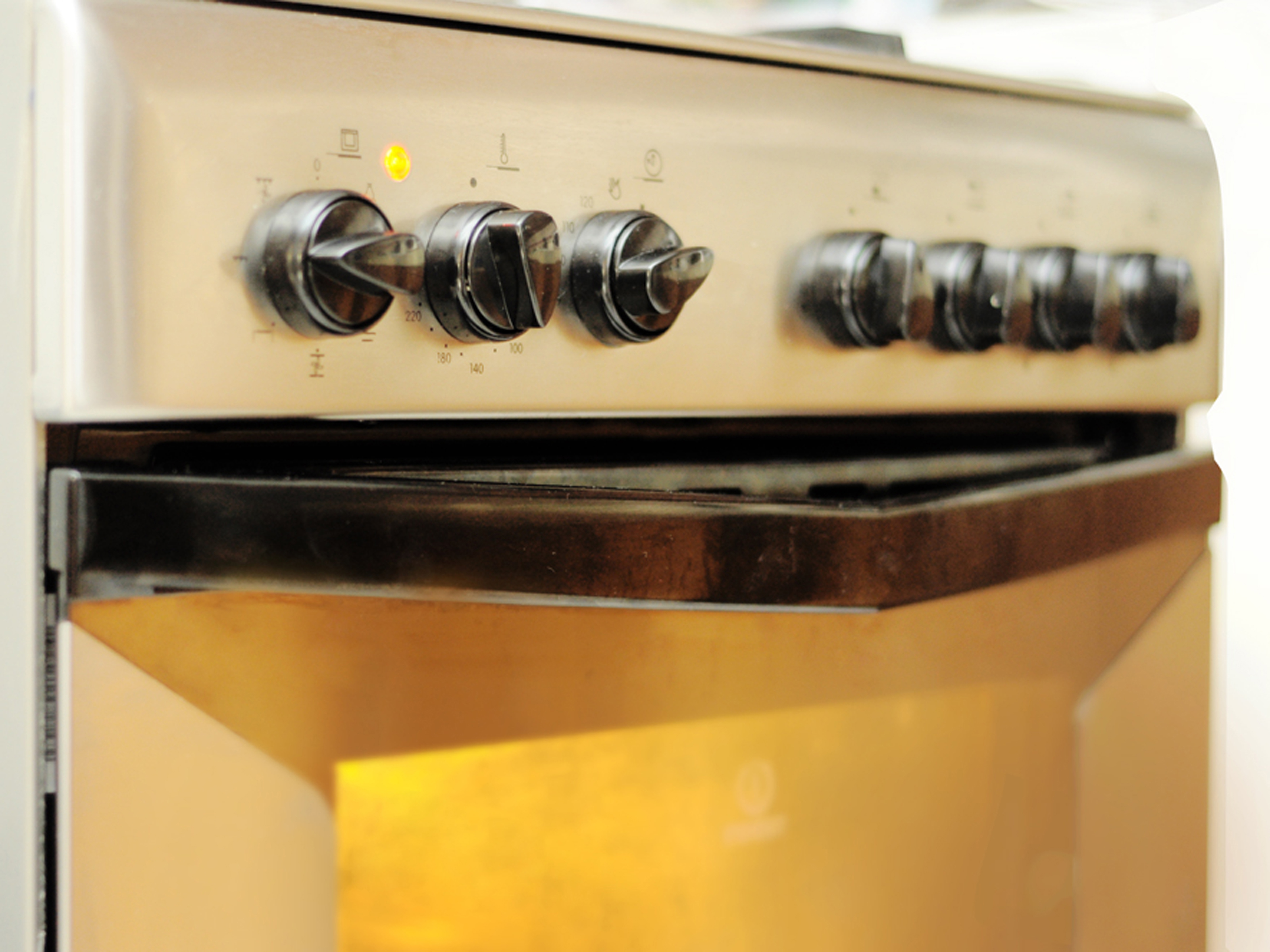
- Preheat Your Oven: Get your oven screaming hot to 425°F (220°C). A hot oven is key to achieving that desired crisp exterior and tender, juicy interior.
- Prepare the Sardines: Arrange your thoroughly dried, cleaned sardines in a single layer on a baking sheet. Avoid crowding – if necessary, use two sheets to ensure each fish has space to roast, not steam. Crowding is a common mistake when learning how to cook sardines, leading to soggy results.
- Dress the Fish: Drizzle the olive oil directly over the sardines, followed by the fresh lemon juice. Scatter the minced garlic, fresh red chili (or chili flakes), dried oregano, smoked paprika, sea salt, and black pepper evenly over the fish.
- Coat Gently: Using your hands, gently turn and coat the sardines directly on the baking sheet. Be careful not to tear the delicate skin. The goal is an even coating, with any excess oil and juices pooling in the tray.
- Roast to Perfection: Transfer the baking sheet to the preheated oven. Roast for approximately 12 to 15 minutes, or until they reach perfect doneness. The exact time will depend on the size of your fish and your oven's calibration.
- Check for Doneness:
- The skin should look lightly blistered in spots and no longer appear glassy or raw.
- The flesh will turn opaque and flake easily with gentle pressure from a fork. It should be moist, never wet or translucent.
- Perhaps the clearest sign: the backbone should pull away easily from the flesh with a fork.
To truly master the nuances of crispy skin and succulent flesh, be sure to read Perfectly Roasted Sardines: Tips for Crispy Skin & Juicy Flesh.
- Serve Immediately: As soon as they are out of the oven, transfer the sardines to a serving platter. Garnish generously with fresh lemon wedges, finely chopped red onion, and parsley. A few extra minced chilies can add a final flourish of spice.
Enjoy them simply with crusty bread to soak up the delicious pan juices, or alongside a vibrant Mediterranean salad.
Beyond the Oven: Other Delicious Ways to Cook Sardines
While roasting is an excellent introduction to
how to cook sardines, their versatility extends to other simple cooking methods that also highlight their exquisite flavor.
- Grilling: For a smoky char and authentic Mediterranean feel, grilling is fantastic. Cleaned and dried sardines, brushed with olive oil and seasoned, can be grilled over high heat for 2-3 minutes per side until opaque and slightly charred. Remember to oil your grates well to prevent sticking!
- Pan-Frying: A quick pan-fry in a hot skillet with a little olive oil can yield beautifully crisp skin. Just a few minutes per side over medium-high heat until golden brown.
- Air Frying: For those seeking minimal oil and maximum crispness, air frying is an emerging favorite. Lightly oil and season the sardines, then air fry at 375°F (190°C) for 8-12 minutes, flipping halfway, until crisp and cooked through.
Frequently Asked Questions About Cooking Sardines
Let's address some common queries you might have about
how to cook sardines.
- Can I use frozen sardines? Yes, absolutely! If fresh aren't available, frozen sardines are a good alternative. Thaw them completely in the refrigerator overnight. Once thawed, it's even more critical to pat them very, very dry before proceeding with any cooking method.
- How do I store cooked sardines? Leftover cooked sardines can be stored in an airtight container in the refrigerator for up to 2 days.
- How do I reheat cooked sardines? To maintain their best texture, reheat cooked sardines gently. A quick warm-up in a 350°F (175°C) oven for a few minutes until just heated through is ideal. Avoid the microwave, which can make them rubbery.
- Do I need to remove the bones? For small to medium fresh sardines, the tiny bones are perfectly edible and provide additional calcium. Once cooked, they become soft and almost undetectable. If you prefer boneless, you can easily pull out the central backbone after cooking.
Armed with this knowledge on
how to cook sardines, you're ready to embrace one of the most delicious, nutritious, and sustainable seafood options available. This simple roasted method, infused with garlic, lemon, and a hint of chili, transforms humble sardines into a gourmet experience that is both healthy and incredibly satisfying. So, head to your fishmonger, pick up some fresh sardines, and prepare to unlock the incredible flavors and health benefits of this Mediterranean gem in your own kitchen.